


 My Profile
 My Pets
 My Address
 My Orders
 Coupons
 Refer & Earn
 Log Out
Why Dog Grooming in Winter Is Just as Important
Winter might feel like “no grooming season” because your dog looks extra fluffy and cozy—but this is actually the time when smart, regular grooming matters the most.
Cold air, dry indoor heating, foggy walks, muddy parks… all of these can quietly damage your dog’s skin and coat if you don’t stay on top of grooming.
A common myth:
“It’s cold, so I’ll skip grooming. My dog needs all that fur!”
Reality:
-
Your dog’s coat protects best when it’s clean, untangled, and healthy.
-
Matted fur traps moisture, dirt and dead skin, making your dog feel colder, not warmer.
-
Untrimmed nails, dirty paws, and oily coats can lead to pain, infections, and discomfort—even if the weather is cold.
Quick Self-Check
Ask yourself:
-
Does your dog smell “doggy” even soon after a bath?
-
Do you feel small knots when you run your fingers through the coat?
-
Does your dog lick or chew paws more after winter walks?
-
Are the ears smelling musty or looking red inside?
If you said yes to even one, your dog will benefit from a proper winter grooming session.
Key Winter Grooming Services Every Dog Should Get
1. Warm Water Bath & Full Blow-Dry
In winter, bathing technique is more important than frequency.
What a good groomer does:
-
Uses lukewarm water, not hot or cold (too hot can irritate skin; too cold can cause stress).
-
Keeps the room warm and draught-free.
-
Uses dog-safe, mild shampoo, often moisturizing or for sensitive skin.
-
Rinses thoroughly so no shampoo residue is left (residue can cause itching and dandruff).
-
Fully blow-dries the coat—no sending the dog home damp.
A dog should never leave the grooming table with a wet or half-dry coat in winter. Damp fur + cold weather = increased risk of chills and skin problems.
How often?
-
Most indoor pet dogs do well with a full bath every 3–6 weeks in winter.
-
Spot cleaning (wipe-downs) in between is usually enough unless your dog gets very dirty.
2. Brushing & De-Shedding: The Secret to Warmth
Your dog’s coat works like natural insulation—but only if it’s untangled and clean.
Why regular brushing is vital in winter:
-
Removes loose hair and dead skin.
-
Prevents mats (tight tangles) that pull on skin and trap moisture.
-
Helps distribute natural oils, keeping the coat shiny and protective.
-
Stimulates blood circulation at the skin level.
What groomers do:
-
Choose the right tools: slicker brush, comb, de-shedding rake (depending on breed).
-
Work in layers from root to tip, not just surface brushing.
-
Gently de-mat small tangles (larger mats may need careful trimming).
Tip: Run a comb down to the skin in a few spots (behind ears, under armpits, inside thighs).
-
If it slides easily → coat is in good shape.
-
If it gets stuck → time to book a professional grooming and de-matting session.
3. Trim, Don’t Shave: Length Control in Winter
Winter is not the time for full-body shaving (unless medically required). But that doesn’t mean “no trimming”.
Smart winter trimming focuses on:
-
Hygiene areas – around genitals and anus so urine or stool doesn’t stick.
-
Paws & between toes – to avoid collecting mud, debris, and ice balls (in snowy regions).
-
Around the eyes – so hair doesn’t poke or irritate.
-
Long feathering on legs/belly – slight shortening can make drying easier.
The goal: keep the coat manageable and clean, not ultra-short.
4. Paw Care & Nail Trimming: The Winter MVP
Paws face cold floors, rough pavements, wet grass, road salts, and mud.
What a good grooming service includes:
-
Nail clipping or grinding – long nails change how your dog walks, stressing joints and making it easier to slip on smooth surfaces.
-
Hair trim around paw pads – too much hair traps mud and moisture; too little might expose pads too much in very cold areas.
-
Check for cracks or redness – dry winter air can make paw pads crack.
-
Gentle massage with dog-safe paw balm (if needed).
Home tip: After winter walks, wipe paws with a soft damp cloth and dry them well. This removes salt, chemicals, or mud that can irritate the skin.
5. Ear Cleaning: Moisture + Warmth = Infection Risk
If your dog has floppy or hairy ears, winter can be tricky:
-
Closed ears + trapped moisture from baths or foggy weather can encourage bacteria and yeast.
Professional groomers will:
-
Use ear-safe cleaning solution to wipe away wax and dirt.
-
Clip excess hair inside/around the ear opening if needed (depends on breed and vet recommendation).
-
Check for redness, bad smell, or discharge and alert you if something looks concerning.
If you notice your dog shaking their head often or scratching the ears more in winter—don’t ignore it. Ask your groomer or vet to check.
6. Skin & Coat Conditioning for Dry Winter Air
Just like humans, dogs can get dry, flaky skin in cold months.
Grooming services often include:
-
Moisturizing shampoos and conditioners designed specifically for dogs.
-
Leave-in sprays/coat conditioners to reduce static and dryness.
-
Advice on how often your particular dog should be bathed to avoid over-drying.
At home:
-
Avoid using human shampoos (wrong pH for dogs).
-
Avoid over-bathing “just to feel fresh”. More baths ≠ better in winter.
7. Hygiene Services: Small Details, Big Difference
Winter means more time indoors. Hygiene becomes even more important.
Useful winter add-ons:
-
Sanitary trim (around private areas).
-
Face clean-up for tear stains or food stains on the muzzle.
-
Anal gland check/expression (only if needed and done by a trained professional; some dogs never need it, others do).
These keep your home cleaner, reduce smell, and make your dog more comfortable.
How Professional Groomers Keep Dogs Safe in Winter
A good winter grooming setup will:
-
Maintain a warm, draft-free grooming area.
-
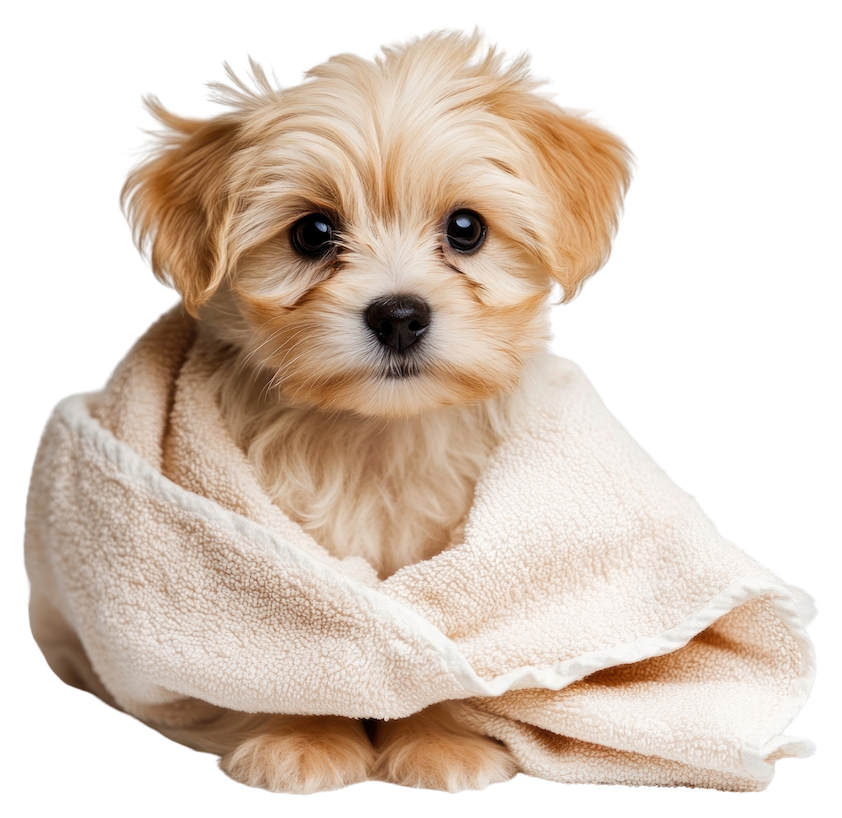
Use pre-warmed towels for post-bath wrap.
-
Adjust dryer settings to be comfortable, not too hot or loud.
-
Avoid long waiting in wet condition—bathing, drying, and finishing are planned efficiently.
-
Give extra care to puppies, seniors, and dogs with health issues, as they feel cold more easily.
If you’re booking a new groomer, you can ask:
-
Do you fully dry the dog after a bath, especially in winter?
-
Do you use lukewarm water and warm towels?
-
How do you handle senior or anxious dogs in winter?
Their answers will tell you a lot about how safe and thoughtful they are.
Choosing the Right Winter Grooming Package (Based on Your Dog Type)
For Short-Coat Dogs (Pug, Beagle, Dalmatian, etc.)
-
Less trimming, more bathing + brushing + nail + ear.
-
Make sure the groomer uses moisturizing products to prevent dry skin.
-
Regular nail and paw care is crucial—they have less natural padding/fur.
For Long/Double-Coat Dogs (Shih Tzu, Golden Retriever, Husky, German Shepherd, etc.)
-
Regular brushing and de-shedding is non-negotiable.
-
Avoid full shave-downs in winter.
-
Consider bath + full blow-dry + de-matting + sanitary trim as a standard package.
For Puppies & Senior Dogs
-
Ask for short, gentle sessions.
-
Room must be comfortably warm.
-
Avoid long waiting times in crates.
-
Discuss any health issues beforehand (arthritis, heart problems, etc.).
Winter Grooming Checklist
You can literally use this as your “before/after” checklist for the season:
Coat & Skin
-
No large mats or tight tangles
-
No strong doggy odour after drying
-
Minimal dandruff or flakes
Paws & Nails
-
Nails trimmed (not clicking on the floor)
-
Fur tidy around paw pads
-
No cracks or bleeding on pads
Ears & Eyes
-
Ears smell normal (not sour or yeasty)
-
No redness or dark discharge inside
-
Hair not poking into eyes
Overall Hygiene
-
Sanitary areas clean and trimmed
-
Coat fully dry after baths
-
Dog seems comfortable, not scratching or licking constantly
If you can’t tick most of these boxes, it’s time to schedule a professional winter grooming session.
Home Care Between Grooming Sessions
Even with regular professional grooming, small daily habits make a big difference:
-
Brush lightly 2–3 times a week (or daily for long coats).
-
Wipe paws and belly after walks during wet or muddy days.
-
Offer a soft, dry bed away from direct cold drafts.
-
Check ears, paws, and armpits regularly for hidden mats or irritation.
And always watch your dog’s behavior—if they are scratching, licking, or seem uncomfortable, that’s your signal to investigate.
Winter Grooming = Winter Comfort
Grooming in winter isn’t about making your dog look “pretty” (though that’s a nice bonus). It’s about:
-
Warmth through a healthy, well-maintained coat
-
Comfortable paws and joints
-
Clean, infection-free ears and skin
-
A happier, fresher dog indoors with you all season
Think of grooming as part of your dog’s winter care plan, just like nutrition and exercise.
If you’d like, tell us:
-
Your dog’s breed,
-
Age,
-
Whether grooming is done at home or by a professional,
and we’ll suggest a custom winter grooming routine + ideal service package tailored specifically for your dog.
New Comment